
November 20, 2022
When Poppen founded the Tennessee Local Food Summit in 2010, it was the latest in a decades long lineage of organic farmers independently organizing events to support themselves and one another.
Read More


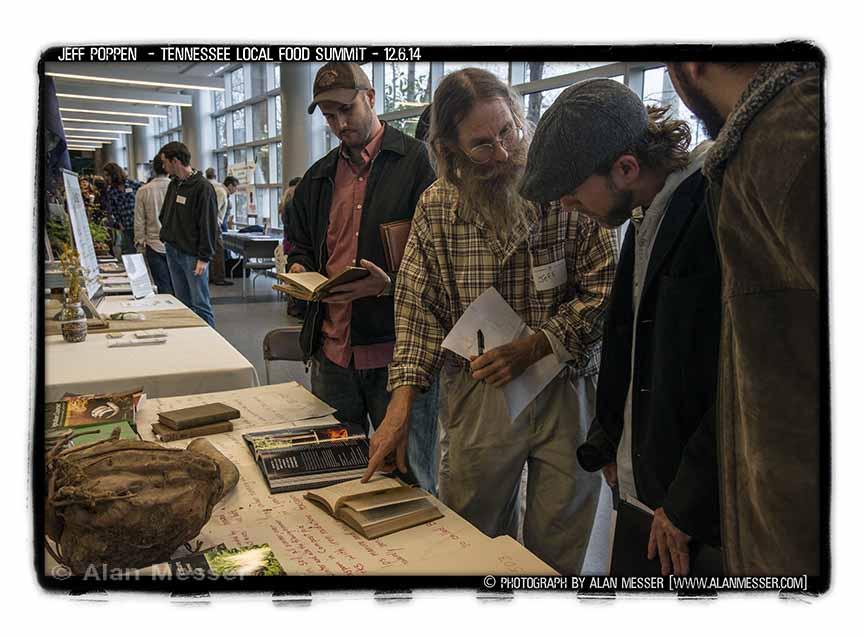
November 20, 2022
When Poppen founded the Tennessee Local Food Summit in 2010, it was the latest in a decades long lineage of organic farmers independently organizing events to support themselves and one another.

November 10, 2022
One sight that has become conspicuously absent from modern life is the small, biodiverse farm. In the 35 years before Big Yellow Taxi was released, the United States lost over five million farms, or more than half of the farms that existed in 1935. While the United States certainly has never been a paradise—most of these lost farms were stolen from Native Americans in the first place—this loss has had dire consequences for rural economies. As small farms disappear, we’ve seen an explosion of industrial farming practices that favor monoculture over diversity, productivity over soil health, and profit over community well-being.
October 27, 2022
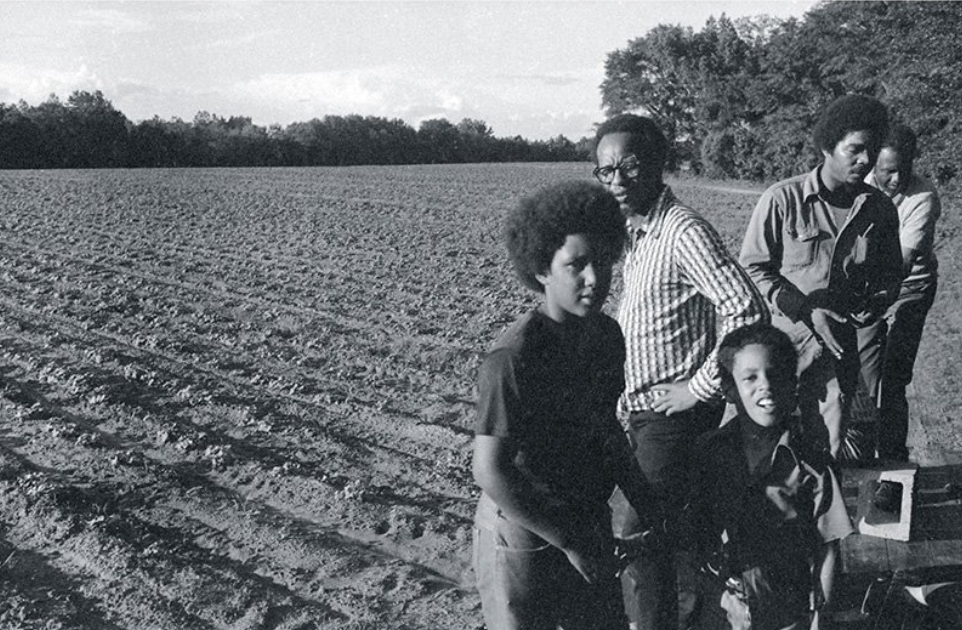
A CLT, according to Center for Community Land Trust Innovation, “is a nonprofit corporation that holds land on behalf of a place-based community, while serving as the long-term steward for affordable housing, community gardens, civic buildings, commercial spaces and other community assets on behalf of a community.” Like the Agrarian Commons, CLTs are based on the premise that land should be held and managed for the benefit of local communities.
October 24, 2022
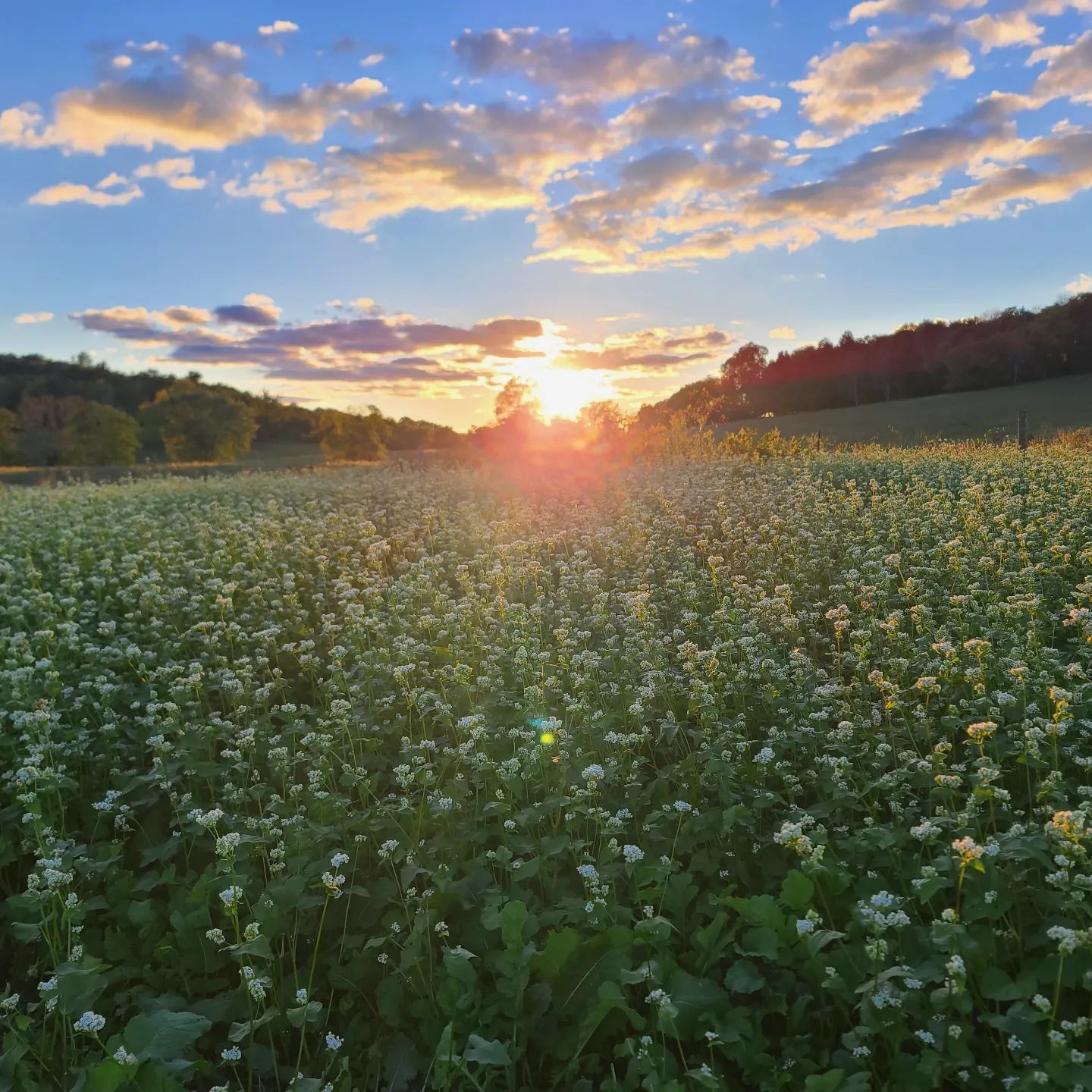
The good news is, while emissions reduction is still the most important way to mitigate climate catastrophe, there is a growing body of evidence that shows that carbon can be removed from the atmosphere—and stored in soil. This process, known as soil sequestration, is being championed by farmers, climate scientists, and nonprofit organizations, including Agrarian Trust, who see it as one of our most valuable tools in the fight against climate change.
October 12, 2022
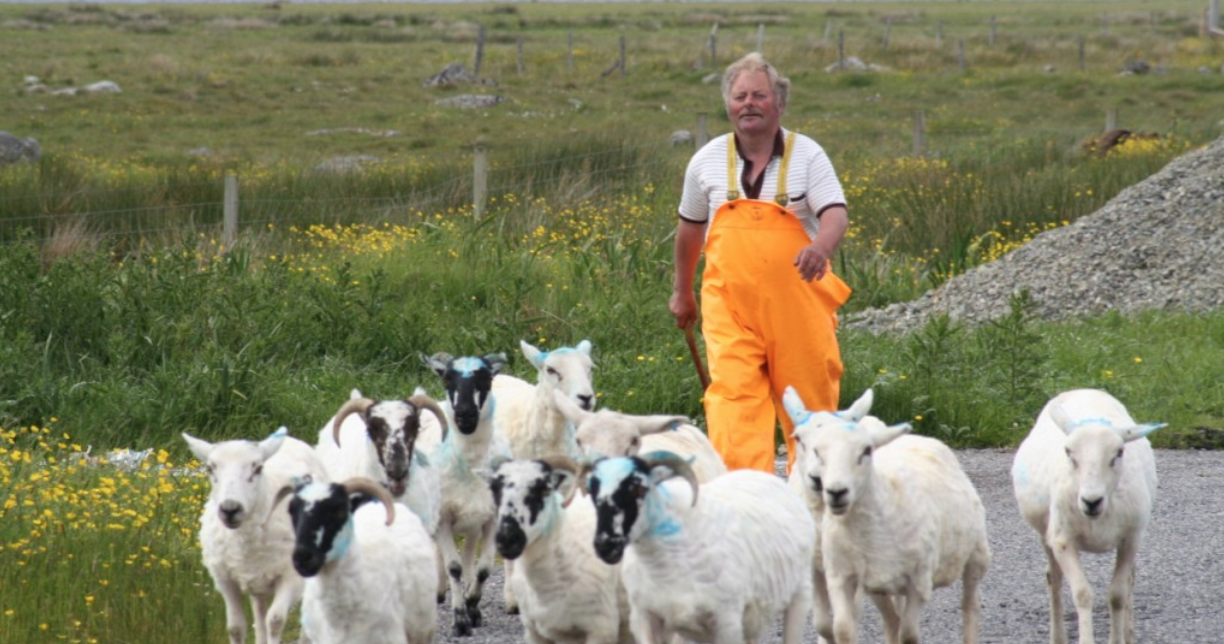
The Agrarian Trust is just one of many organizations across the world dedicated to the advancement of community control of the land. In Scotland, state-level land reform and grassroots organizing have led to the widespread practice of community land ownership. In 2010, Community Land Scotland (CLS) was founded to act as a shared voice for community landowners in Scotland and to provide support for communities as they navigate the complex world of purchasing and managing land as a community body. Today, its members “manage 560,000 acres of land, home to some 25,000 people.” As models like the Agrarian Commons gain traction in the United States, it is worth studying the examples of our global partners. CLS deploys a compelling mix of policy work, training, and networking opportunities to support community land ownership in Scotland.
October 9, 2022
While these are the most common options donors use to transfer land into an Agrarian Commons, every donor is different. Agrarian Trust will work closely with prospective donors to ensure that they are able to make the gift in a way that best suits their needs, while continuing to support the Agrarian Commons. For example, donors can choose to donate only part of their land, or to spread their donation out over a couple of years in order to receive the optimal tax benefits. Nonprofits and land trusts are also welcome to donate land to Agrarian Trust.
October 5, 2022
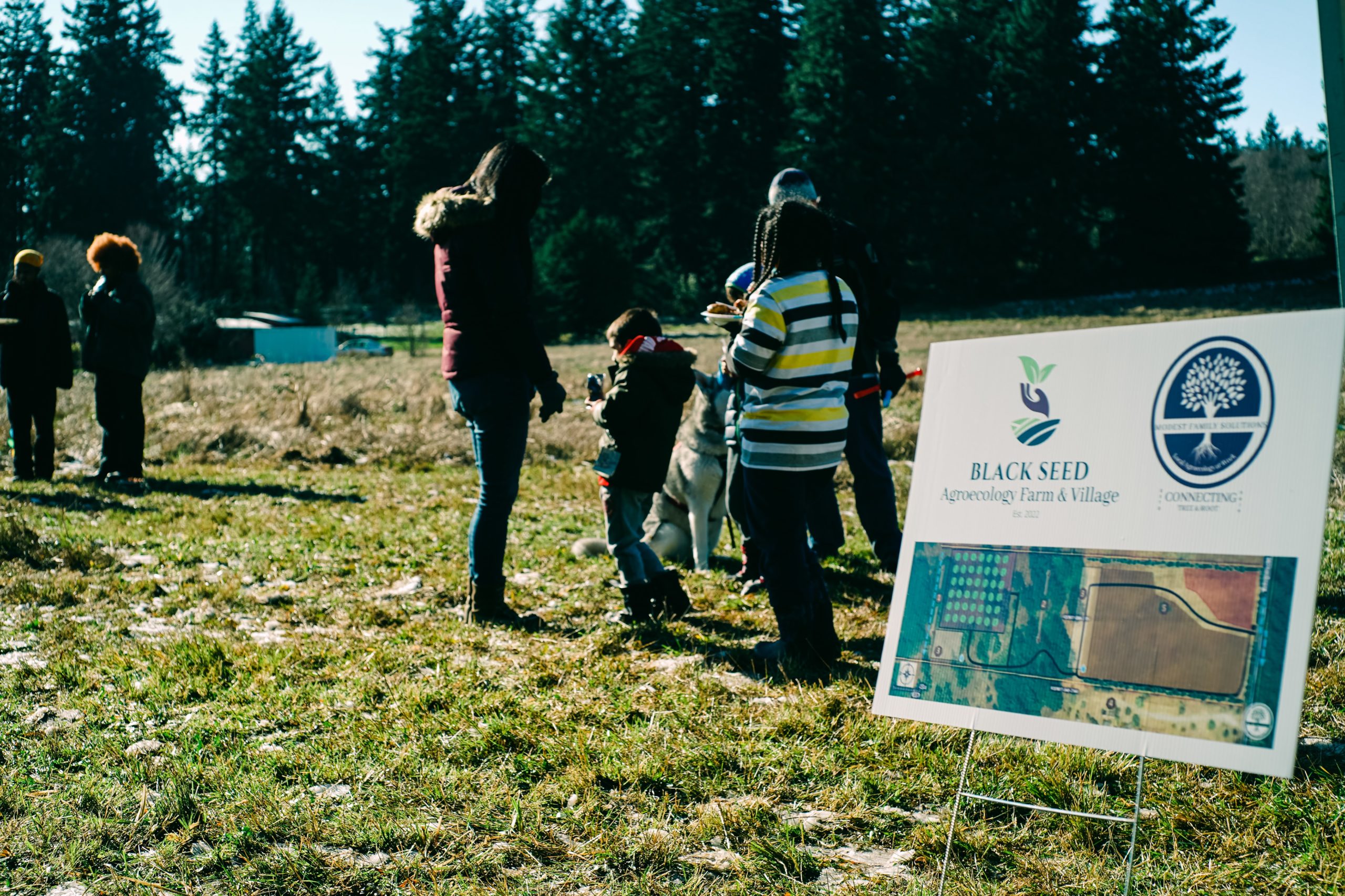
Black Seed Agroecological Village and Farm is still in the beginning stages of development. As is the case with most new farming operations, there’s a lot of work that needs to be done before the farm can begin operating at full capacity. New fields need to be cultivated, perennials planted, and new buildings constructed. Turner is currently working with the Washington State Department of Agriculture to define water rights on the farm, and to identify the source of surface water that covers part of the land.
September 30, 2022
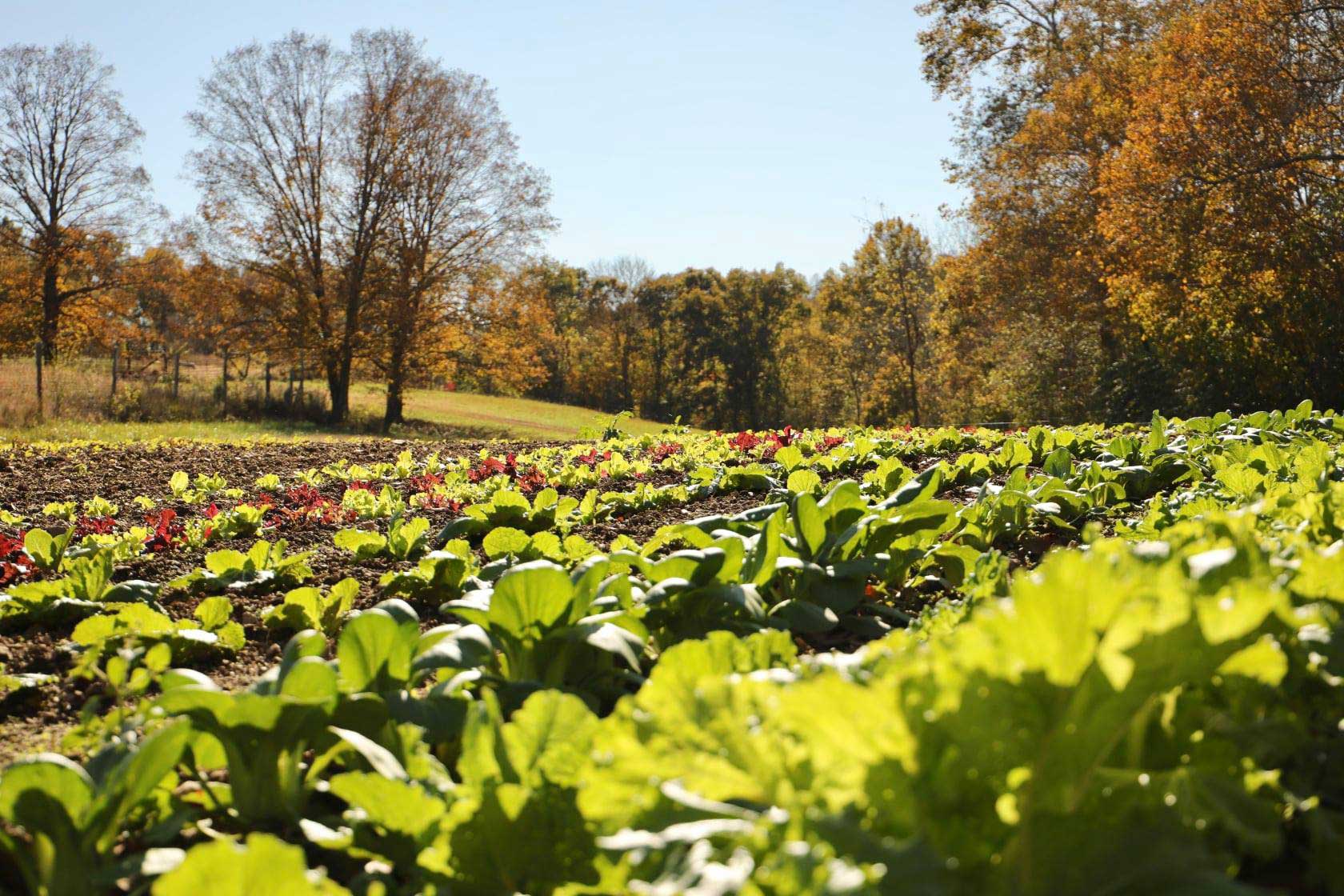
Agroecology is simply a continuation of these millennia of knowledge accumulation. Any one definition of agroecology as a practice would be incomplete. It reaches beyond a limited set of techniques or ideas, instead embracing the efficacy of agricultural techniques produced on a regionally, culturally, and ecologically specific level.