

Center for Agriculture & Food Systems

01
Jul 2026
Read More


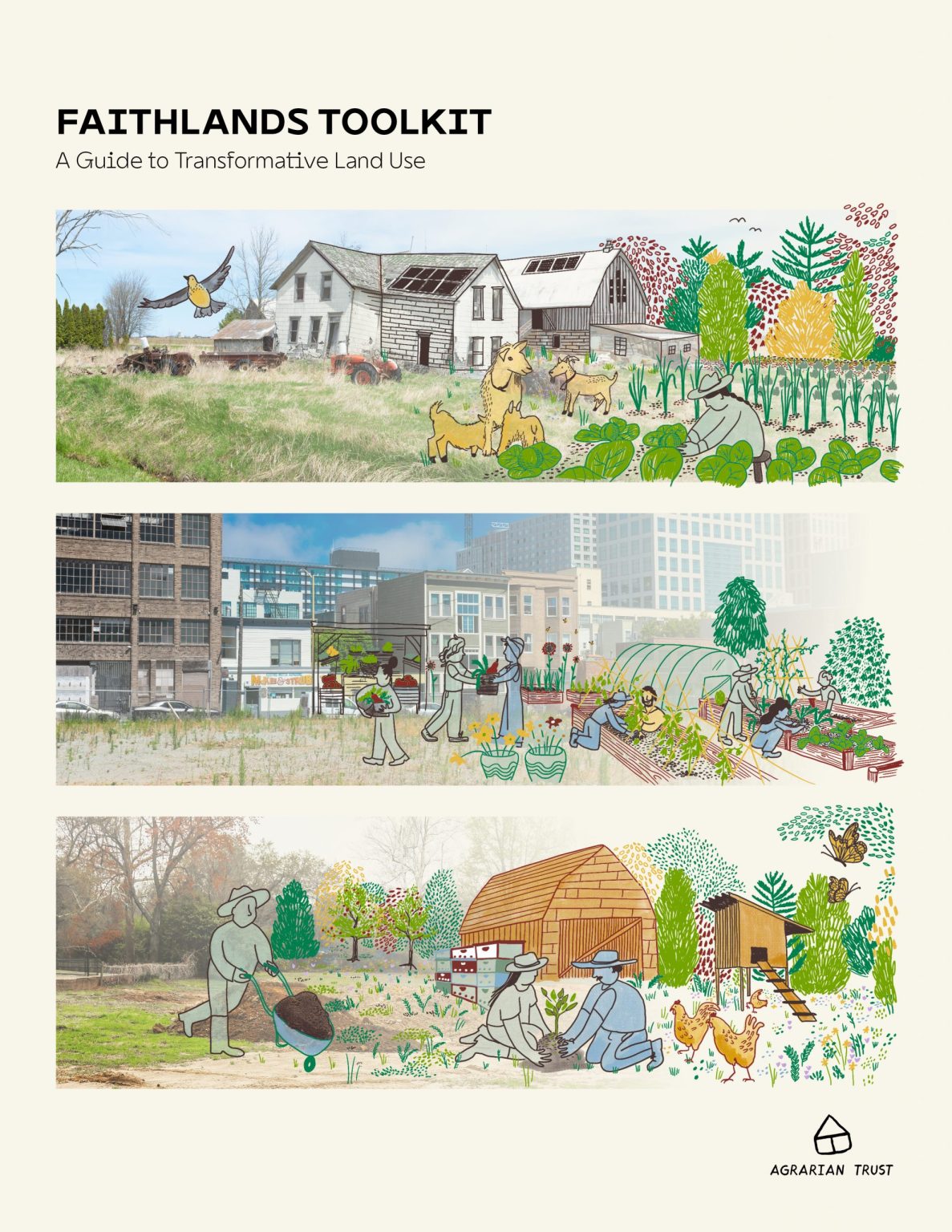
The FaithLands Toolkit serves as a guide to support faith communities in considering their respective spiritual traditions and linking those core values and beliefs to the land. Through case studies and thoughtful conversation, it offers ways to join a growing number of faith traditions in the production of food, the support of basic human needs, and the building of resilient communities, while also promoting equity and justice through the land.
Land is the source of life. Without land, and without those who farm it, there can be neither ceremony nor food. Anyone who eats, anyone who prays, anyone who lives from the earth should be thinking about land.Land has a history. For every tale of settlement, there is a tale of dispossession; for every tale of wealth, there is a tale of labor. The land carries these stories. Redressing historic wrongs—actions in contradiction to the central tenets of ethical and spiritual teachings—requires a truthful reckoning with the land’s history.Land has a future. Reconnecting with land and agriculture, and enabling others to reconnect with and access land for farming and ceremony, is crucial to protecting the future of the land and all who live from it.
The coronavirus pandemic has revealed the precarious state of industrial, long-distance food systems and the strength and value of decentralized local and regional food and farm systems. Unfortunately, many would-be farmers—particularly farmers of color—find the cost of land prohibitive. While faith groups own millions of acres of potential farmland, nearly all of it sits idle. By putting this land into the hands of conscientious farmers, faith communities can support a food system that reflects our shared values of justice, equity, sustainability, and reconciliation.