

Nathan Galaviz

30
Jul 2026
Read More


.jpeg)
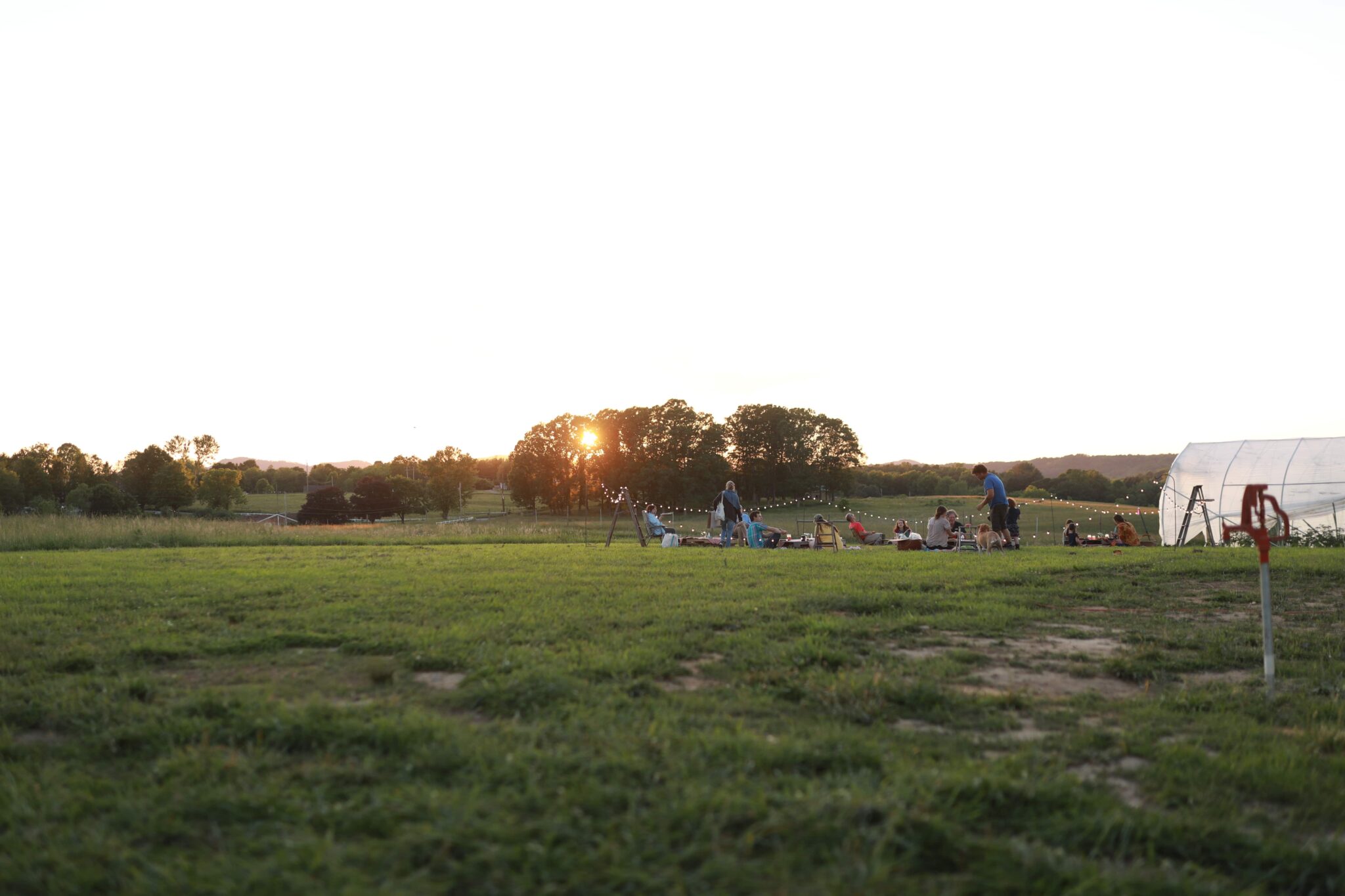
In the fall of 2020, a farm in Fayette County, West Virginia, sat on the edge of uncertainty. The land, home to rolling pastures and Appalachian soil full of memory, was about to change hands—and possibly, lose its purpose.
But something different happened.
Instead of being parceled off or sold to the highest bidder, the land was placed in trust. Over 500 people from across the country rallied to raise over $264,000. Artists painted, organizers called, neighbors gave what they could. In partnership with Agrarian Trust, the land was protected under the West Virginia Agrarian Commons.
It was a victory—one rooted in the belief that land should serve people, not profit.
But land protection was just the beginning. The real work started after the land was secured.
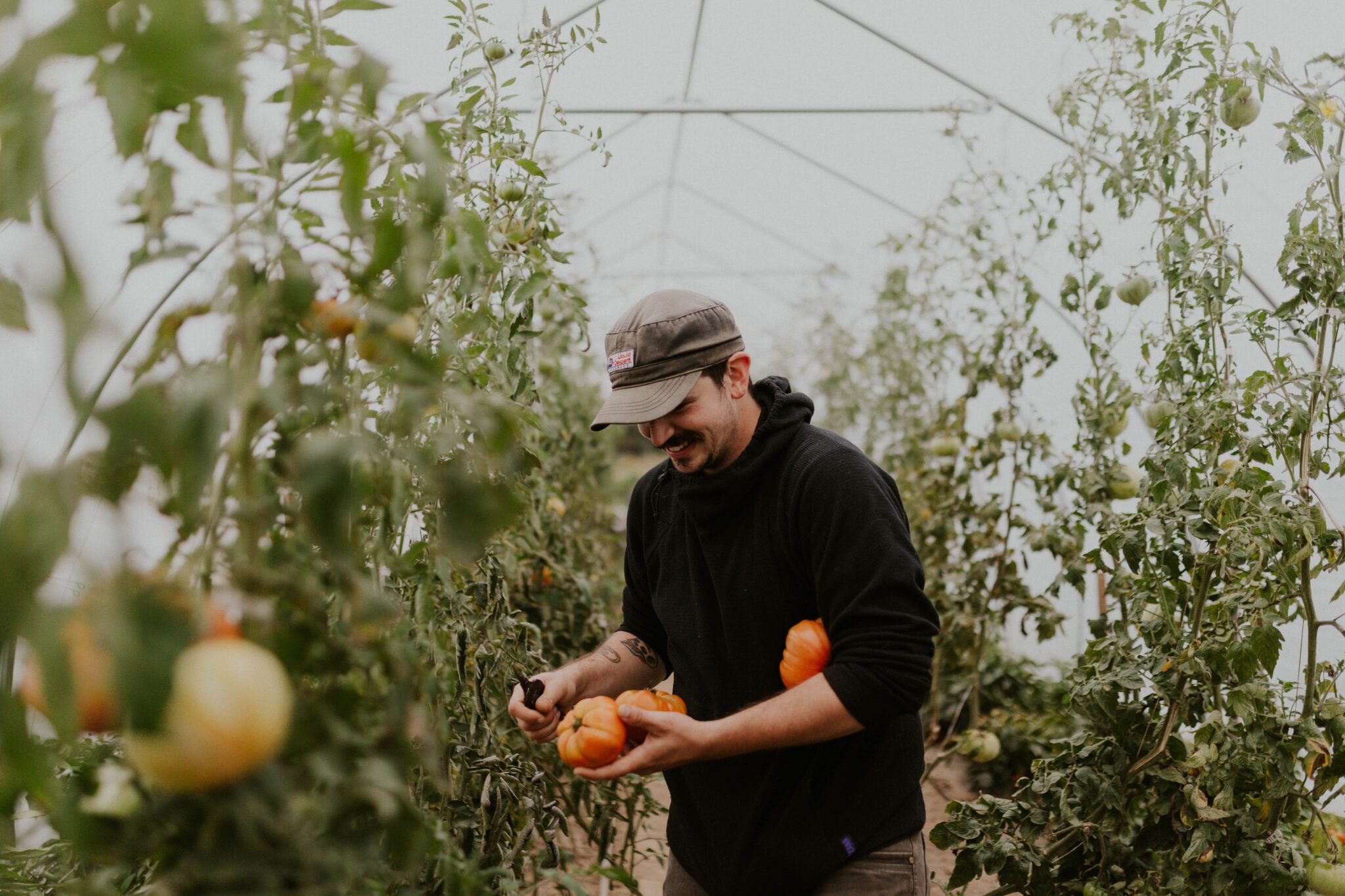
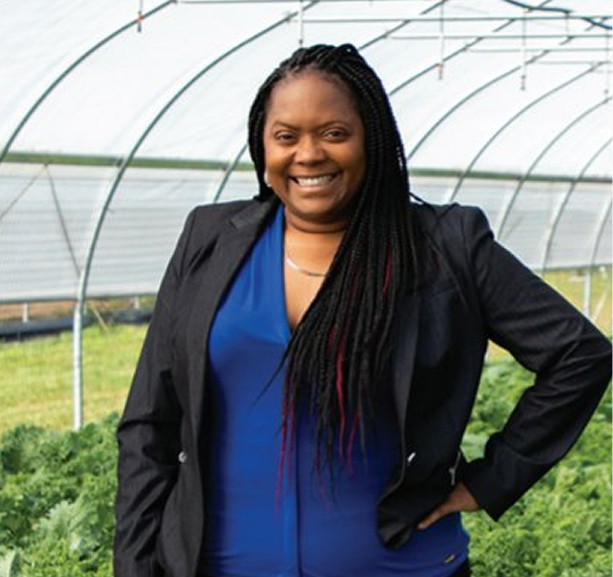
That’s where Susanna Wheeler came in.
In 2019, Susanna—then leading New Roots Community Farm (NRCF) as a project of the Fayette County Commission—saw the writing on the wall. A shift in county leadership jeopardized the farm’s future. But rather than let it fade, she helped imagine a different path.
Susanna reached out to Agrarian Trust to explore a bold model: the Agrarian Commons. With its principles of shared governance, ecological stewardship, and decommodified landholding, the Commons could offer what the County no longer would: long-term security for a community farm rooted in justice.
Over the next three years, Susanna led a quiet revolution.
She recruited board members, navigated shifting political winds, incorporated New Roots as its own 501(c)(3), and signed a lease with the Agrarian Trust to continue stewarding the land. In 2022, NRCF stood on its own—no longer a public project, but a community-powered nonprofit, growing food, training farmers, and offering a regenerative vision for Appalachia.
By early 2025, New Roots was thriving—but as with so many grassroots efforts, stability is never guaranteed.
When a federal executive order froze funding to land access programs across the country, NRCF’s USDA grants were halted midstream. Plans stalled. Bills mounted. And the future of the farm once again came into question.
But New Roots did what they always do: they reached into the community. They raised the money to purchase the farm and now steward 86 acres.